
 Recently I received a comment from one of you that the Catch had “changed” ever since we started talking so much about the Isaiah House and our teleconference Bible study. The implication being that since they are not involved in either that the Catches don’t relate to them. I can’t think of anything further from the truth. Because comments like this are usually indicative that more than one person feels this way, I decided to address it in this Catch.
The Catch has always relied on everyday life for its food for thought. The fact that stories often stem from our involvement with the Isaiah House and our Bible study is merely because these things form an important part of our lives thus informing a lot of our insights and reflections.
The teachings being developed in the Bible study are central to our message of taking Christ to the marketplace through our presence there; and the lessons learned from the Isaiah House women about how we are more similar that different are essential to how we view those around us wherever we find ourselves in the world. You may not be sharing our experiences at the Isaiah House, but you certainly can learn from the insights gleaned from those experiences.
Somewhere in the telling of your own story is the finding of other’s stories as well. If you learn how to tell better, you will learn how to listen better.
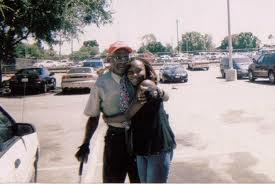
Some people misunderstood what Marti was tying to accomplish with these stories. If they only looked on the surface, they might have even thought we were taking advantage of these women. Nothing could be further from the truth. This was not about creating a documentary about the sordid details that put these women in the situation they are in now. We wanted no part of that. These were stories directed at their significance – stories of how they made a difference in someone else’s life – things that in their present circumstances they might be prone to bury or forget. The cameras, the lighting, the professional cameramen, the makeshift “studios” all were props to allow these women to be someone and find significance in their lives.
It is our firm belief that if we interviewed anyone from any walk of life in the same manner with these same questions, in the end you would not be able to tell the wealthy from the poor, the homeless from the homeowner, the incarcerated from the celebrity. This was a huge lesson learned.
All of this to say, I’m concerned that we have not received many stories from you. Please don’t go, “Oh, he’s talking about Isaiah House again; this doesn’t relate to me.” All of this applies to seeking stories of significance from those around you. There are things to learn on both sides of the camera.
So this Catch will end like Friday’s. I am going to include Marti’s directions on story telling because they are also directions on “interviewing.” You may send your story as a comment, or simply reply directly to this email and it will come to me. I can’t wait!
Tell Us a Story of a Time When You Know You Made a Difference in Someone Else’s Life
We invite you to contribute a story from your life. We understand how challenging this is-it requires such intimacy that no one else can do it but you. Yet, we can guide you through this process by offering these suggestions.
Be specific. Think of your own experience and tell of the things you know that no one else knows. Your story need not be heartwarming or gut-wrenching-it can even be funny-but it should be real and highly personal.
Be brief: Your story should be between 3 to 5 minutes spoken or 1 to 2 pages written.
Name your story: Before beginning your story, try naming the story in a sentence or two. This will help you get off to a good start and stay focused.
Be positive: Please avoid preaching or editorializing. Tell us what you do believe in your story, not what you don’t believe. Make your story about you; speak in the first person.
Be personal: Use words and phrases that are comfortable for you and that truly echo of you.
Tell Your Story in Present Tense
Before beginning close your eyes and see your story as if describing a picture.
Think about what you want to share to bring your story to life. Let your mind’s eye bring up a picture of your story. What do you see in the picture? From left to right pan the setting for details including colors, sounds, smells, and people present.
As you look at this picture in your mind’s eye, what’s going through your mind? What are you thinking about?
As you look at this picture in your mind’s eye and think about what is going on in your mind, what are you feeling? (Hint: If you say, “I feel good” or some other generic feeling, ask yourself what “good” feels like until you are connecting to the story and are in the story and feeling as if the story was occurring in the present tense.)
As you look at the picture in your mind’s eye and see, smell, and hear what is in the picture and as you think about what you are thinking and feeling, how does what you are feeling relate to your story?
May we have your contribution?












 John Fischer The Catch