Suppose you see a brother or sister who has no food or clothing, and you say, “Good-bye and have a good day; stay warm and eat well”—but then you don’t give that person any food or clothing. What good does that do? – James 2:15-16
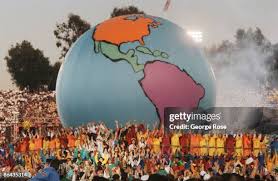
Michael Jackson’s song, Heal the World, stirs something in us for a reason. When we hear that song, most of us feel it immediately. Compassion rises. Concern sharpens. We remember that the world is broken and that people are hurting. James would agree with all of that. He just wouldn’t let us stop there.
James asks a simple, uncomfortable question: What happens after compassion shows up? Because compassion by itself doesn’t heal anyone. It points to the need, but it doesn’t meet it.
James talks about a situation that feels painfully familiar. You see someone who’s hungry or struggling. You feel concern. You say the right words. And then… you move on. James’ response is blunt: “What good does that do?”
He’s not criticizing empathy. He’s challenging inactive empathy.
This is where Heal the World and James meet. The song invites us to imagine a better world. James tells us how change actually happens. Not through grand feelings or global intentions, but through ordinary people choosing costly, inconvenient obedience. James never asks us to fix everything. He asks us to do something.
Something real.
Something tangible.
Something within reach.
That’s what “working faith” looks like.
Faith that stays emotional remains unfinished. Faith that moves, even in small ways, becomes alive. It shows up with food instead of words. With presence instead of sentiment. With action instead of applause.
It turns out the world isn’t healed by people who care deeply. It’s healed by people who care enough to act. And that always starts closer than we think.





 John Fischer The Catch
Keith Green’s Asleep in the Light also strongly reflects James 2:15 & 16. his music is still bold and uncompromising and challenging even to this day. Keith is a far better example of that passage than Michael Jackson.
PETRA – HOLLOW EYES, ROSE-COLORED STAINED GLASS WINDOWS
SCOTT ROLEY – WITHIN MY REACH
DON FRANCISCO – THE STEEPLE SONG
“They bleed Like we bleed,
They feel what we feel…”
Randy Stonehill & Phil Keaggy – Who Will Save the Children? (1984)
Who WIll Save the Children – YouTube
Taking a stroll through memory lane would be incomplete if we didn’t revisit, reflect, and act on this hugely popular appeal by the biggest names in the music industry:
We Are the World (1985)
Many Christians at the time recoiled at the audacity of “secular” performers “trespassing” on their “hallowed” turf of charitable outreach.
But even the “DSR&R” world back then recognized that the Church wasn’t fulfilling its professed mission.
Forty years later, are things any different? Where are our hearts today?
“As God has shown us by turning stones to bread
and so, we all must lend a helping hand…”
U.S.A. For Africa – We Are the World – YouTube